September 23, 2026
Ensuring the long-term health and wellness of your child involves focusing on many aspects of physical development, and oral care is a fundamental component of that journey. Parents frequently wonder about the ideal moment to schedule an initial oral health assessment for their little ones. Early evaluations play a vital role in establishing a foundation for strong teeth, healthy gums, and positive attitudes toward healthcare environments. From the moment primary teeth begin emerging through the gumline, children become vulnerable to plaque accumulation and tooth decay. Proactive care ensures that potential developmental issues are identified early, allowing for gentle preventive interventions before minor concerns transform into complex challenges.
Establishing a consistent routine for professional oral care early in life offers benefits that extend far into adulthood. Children who become familiar with dental care settings during early childhood tend to build confidence, reducing anxiety associated with future appointments. Furthermore, early visits allow parents to receive personalized guidance regarding daily brushing techniques, appropriate nutritional choices, soothing strategies during teething, and habits such as thumb sucking. Partnering with a dedicated family dentist allows parents to navigate every stage of childhood oral development with clarity and confidence. Prioritizing initial consultations sets the stage for a lifetime of healthy, vibrant smiles.
Recognizing the Timing of Initial Visits
Determining the right time for a child's initial oral assessment often centers on major developmental milestones during infancy. Health professionals generally advise scheduling a visit soon after the eruption of a child's very first primary tooth or by their primary milestone celebration. Even though primary teeth eventually fall out to make way for permanent teeth, their health is critical for proper chewing, speech development, and maintaining spatial alignment for future adult teeth. Waiting until a child reaches school age or experiences discomfort can result in missed opportunities for early preventive intervention.
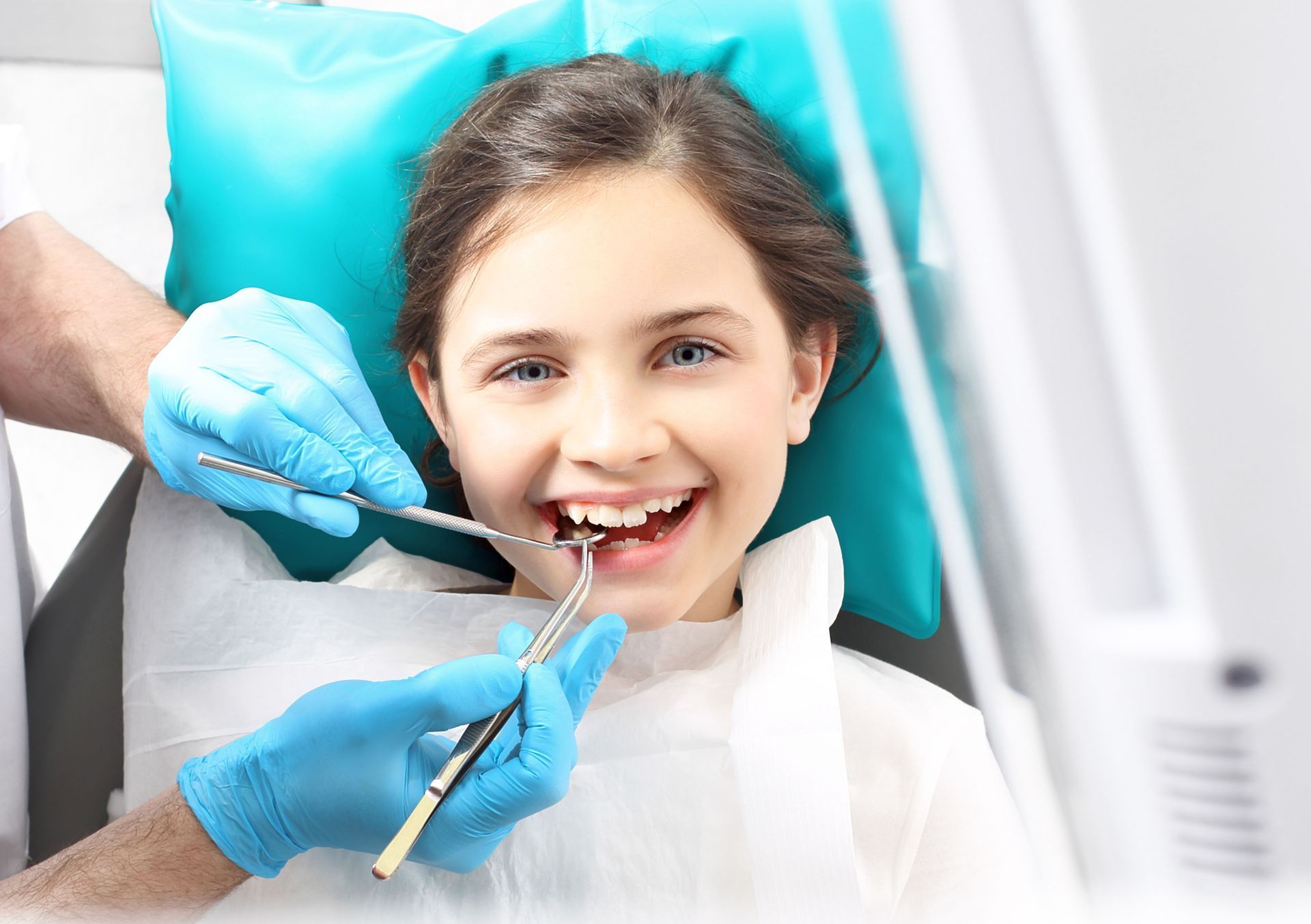
Initial appointments are designed to be brief, gentle, and informative, focusing primarily on assessing oral structures and comforting the child throughout the experience. During this preliminary visit, a practitioner evaluates the health of newly erupted teeth, examines surrounding gum tissue, and checks for structural irregularities within the mouth. Selecting a welcoming family dentist creates a supportive environment where young children feel secure during early evaluations. Establishing this relationship early ensures that primary teeth receive optimal attention right from the start.
Preventing Early Childhood Tooth Decay
Early childhood caries, often referred to as tooth decay in young children, represents one of the most widespread chronic conditions affecting youth. Many parents assume primary teeth are immune to significant decay or that cavities in temporary teeth carry few consequences, but compromised primary teeth can negatively affect underlying permanent teeth. Factors such as prolonged bottle exposure, frequent sipping of sugary beverages, and improper bedtime feeding routines can create an environment where harmful bacteria thrive, breaking down delicate tooth enamel rapidly.
Preventive care and parental education serve as the strongest defenses against early tooth degradation. According to the Center for Pediatric Dentistry, over 40% of young children develop dental cavities before starting kindergarten. This significant statistic highlights how critical early intervention and daily preventive care are during formative years. Consulting with a knowledgeable family dentist allows parents to learn effective cleaning protocols, evaluate fluoride exposure, and discover protective measures like dental sealants. Implementing these preventive habits early helps safeguard young teeth against painful decay and structural damage.
Establishing Positive Oral Hygiene Habits
Developing effective oral hygiene routines at home is an essential aspect of maintaining vibrant smiles throughout childhood and beyond. Even before the appearance of the first primary tooth, parents should gently wipe their infant's gums with a damp cloth after feedings to remove residual sugars and bacteria. As soon as primary teeth begin to emerge, transitioning to a soft-bristled toothbrush designed specifically for infants ensures that delicate enamel receives proper cleaning without irritating tender gum tissues.
As children grow into toddlerhood, teaching proper brushing techniques becomes an interactive, engaging part of daily routines. Parents should supervise and assist with brushing until children possess the manual dexterity to clean all tooth surfaces thoroughly on their own. Working alongside a compassionate family dentist helps reinforce these home habits, as professionals can demonstrate effective brushing angles, discuss proper toothpaste amounts, and encourage children to take pride in caring for their teeth. Consistent reinforcement transforms daily oral hygiene into a rewarding habit.
Preparing Your Child for Initial Visits
Preparing a young child for their initial clinical experience involves thoughtful communication, positive reinforcement, and a calm, encouraging approach. Children often pick up on parental emotions, so approaching the upcoming appointment with enthusiasm and ease helps alleviate any unconscious apprehension a child might feel. Reading age-appropriate storybooks about oral care, playing pretend healthcare games at home, and explaining what happens during an examination in simple language can make the upcoming visit feel familiar and fun.
On the day of the appointment, scheduling the visit during times when your child is well-rested and content—such as after a morning nap—can significantly improve their comfort level. Avoid using intimidating language or discussing unpleasant experiences, focusing instead on how the visit helps keep their smile strong and bright. Choosing an experienced family dentist ensures that the clinical team uses gentle techniques, welcoming language, and patient interactions tailored to young children. Thoughtful preparation transforms the initial visit into an empowering milestone for the entire family.
Monitoring Proper Growth and Development
Beyond checking for signs of decay, early professional evaluations focus extensively on monitoring the broader structural growth of a child's mouth, jaw, and facial features. As children grow, their oral cavity undergoes rapid changes, with primary teeth emerging in specific sequences to accommodate expanding jaw structures. Regular examinations allow practitioners to monitor eruption patterns, assess bite alignment, and identify potential issues such as overcrowded teeth or improper jaw relationships early in development.
Early monitoring also addresses oral habits that may impact structural alignment, such as prolonged thumb sucking, pacifier reliance, or tongue thrusting. While these habits are entirely natural during infancy, persistent reliance past early childhood can alter tooth alignment and jaw shape over time. An attentive family dentist can offer gentle guidance and supportive strategies to help children transition away from these habits before permanent structural changes occur. Continuous developmental monitoring ensures that potential orthodontic or structural concerns are managed proactively.
Building Familiarity in Clinical Settings
Creating a sense of familiarity and ease within a clinical environment is one of the greatest gifts parents can provide for their child's healthcare journey. When children visit a practice regularly during early childhood, the sights, sounds, and friendly faces become a normal, reassuring part of their routine experience. This early familiarity eliminates apprehension, allowing children to feel confident and relaxed during routine checkups or necessary preventive treatments.
A welcoming environment designed with young patients in mind fosters positive associations that last a lifetime. Friendly interactions with clinical staff, gentle explanations of equipment, and positive encouragement help children feel valued throughout their visits. Partnering with an approachable family dentist provides a consistent home where your child's comfort remains the primary focus. Nurturing this positive relationship ensures that your child views oral healthcare as a beneficial part of ongoing wellness.
If you are ready for comprehensive oral care for your child, contact a family dentist at Borealis Dental Studio today. We will help you protect your child's smile, promote healthy habits, and navigate every stage of their oral development with dedicated care.